Please Choose Your Language
- All
- Product Name
- Product Keyword
- Product Model
- Product Summary
- Product Description
- Multi Field Search

Views: 0 Author: Site Editor Publish Time: 2026-03-12 Origin: Site


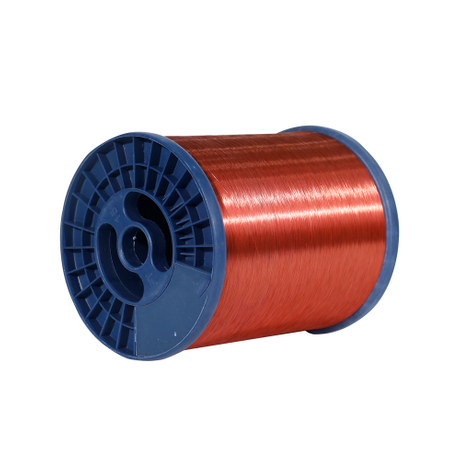
Enameled copper wire is one of the most commonly used materials in electrical applications. Known for its high conductivity and insulation properties, it is essential in the manufacturing of motors, transformers, and other electrical components. The wire consists of a copper conductor coated with a layer of insulation, typically made from an enamel-like material. This layer prevents short circuits and ensures that the wire can be safely used in high-performance electrical equipment.
In recent years, the demand for high-quality enameled copper wire has grown as industries continue to focus on optimizing the performance and durability of their electrical systems. As a result, manufacturers are now more focused on ensuring the quality of the wire at every stage of production, particularly when it comes to ensuring that the enamel coating is free from defects. One of the most critical tests in this process is pinhole testing.
This article will explore the significance of pinhole testing in enameled copper wire production and why it is vital for ensuring product reliability, safety, and long-term performance.
Pinhole testing is a critical non-destructive quality control process used to detect small but significant defects in the enamel coating of copper wire. These defects, often referred to as "pinholes," can have a substantial impact on the wire’s functionality. The enamel coating serves as an insulation layer, protecting the copper conductor from environmental factors, electrical shorts, and external physical damage. However, even the smallest holes in this coating can compromise the wire’s performance, leading to issues such as electrical short circuits, system failures, or even severe equipment damage.
In many electrical applications, enameled copper wire is used in components like motors, transformers, and windings, where the wire’s insulation is critical to the overall performance and safety of the device. Any imperfections in the insulation can lead to dangerous or costly failures. Pinhole testing helps prevent such issues by identifying these flaws before the wire is used in manufacturing or other critical operations.
Pinhole testing involves several methods designed to accurately detect flaws in the enamel coating. The most commonly used techniques include:
High Voltage Testing: This method involves applying a high voltage to the copper wire while it is immersed in a dielectric fluid or subjected to high humidity. This process helps detect pinholes that may allow leakage currents to pass through, signaling a potential weak point in the insulation.
Visual Inspection: Magnifying tools, such as microscopes or optical cameras, are used to inspect the enamel coating closely. This allows operators to identify visible defects or areas where the enamel coating may have been compromised.
Electrical Conductivity Testing: Electrical conductivity testing is used to check for conductive pathways that may form through pinholes, further assessing whether the wire is insulated adequately.
Pinhole testing is indispensable for maintaining the integrity and safety of enameled copper wire, ensuring that only high-quality wire reaches the production line for electrical applications.
Pinhole testing plays an essential role in quality control, and it serves as a preventive measure to ensure that the wire performs optimally. The enamel coating on copper wire is a vital feature that protects it from electrical hazards and external environmental factors. However, when the enamel is compromised by pinholes, it can significantly affect the wire’s performance and the safety of the end product.
Detects Hidden Defects: Pinhole testing ensures that even the most minute defects are detected and corrected before the wire is used in production. Since pinholes are often too small to be seen with the naked eye, using specialized testing methods is the only way to identify these flaws.
Ensures Consistent Insulation: A flawless enamel coating ensures that the wire is properly insulated. Pinhole testing guarantees that the wire will not experience electrical shorts or insulation failure, thus providing a safer, more reliable product.
Reduces Manufacturing Costs: By identifying defects early in the production process, manufacturers can avoid producing large quantities of defective wire that would otherwise need to be scrapped or reprocessed.
Even small pinholes in the enamel coating of enameled copper wire can lead to significant performance issues. These issues may include:
Electrical Short Circuits: Pinholes allow current to leak from the conductor, leading to short circuits that can result in equipment failure.
Decreased Durability: Pinholes expose the copper conductor to external elements, such as moisture and chemicals, which can cause corrosion and reduce the wire’s lifespan.
Increased Risk of Fire: Compromised insulation caused by pinholes can increase the risk of overheating and even lead to fires in electrical systems.
The quality of enameled copper wire is integral to the performance and safety of the final product, making pinhole testing an essential step in the production process.

The benefits of pinhole testing extend to both manufacturers and end users, providing long-term advantages that ensure high-quality products and a safe electrical system.
Compliance with Industry Standards: Pinhole testing helps manufacturers meet international quality and safety standards. This ensures that their products are compliant with regulations, such as IEC (International Electrotechnical Commission) or UL (Underwriters Laboratories), which are critical for market acceptance.
Improved Product Reliability: By identifying defects early, manufacturers can ensure that only the highest-quality enameled copper wire reaches the market, leading to fewer product recalls or warranty claims.
Cost Savings: Catching defects early in the production process reduces waste and the need for expensive rework. This contributes to overall cost savings and increased profitability.
Enhanced Safety: Pinhole testing ensures that the enameled copper wire used in electrical equipment is safe and reliable, reducing the risk of failures, fires, and electrical hazards.
Improved Performance: High-quality enameled copper wire ensures optimal performance in devices like motors, transformers, and electrical circuits, leading to better efficiency and reduced downtime.
Longer Lifespan of Electrical Equipment: By using wire that has passed rigorous pinhole testing, consumers can expect longer-lasting, durable electrical equipment that requires less maintenance over time.
There are several best practices that manufacturers should follow when implementing pinhole testing in their production process. These practices not only ensure that the wire meets quality standards but also increase the overall efficiency of the manufacturing process.
Method | Description | Advantages |
High Voltage Testing | The wire is subjected to a high voltage, causing any existing pinholes to reveal themselves by conducting current. | Highly effective for detecting hidden defects, non-destructive. |
Visual Inspection | Using magnifying equipment to visually inspect the enamel for defects. | Cost-effective, easy to perform, but only detects visible flaws. |
Electrical Conductivity Testing | Measures the conductivity across the enamel coating to identify potential electrical leaks. | Accurate for detecting electrical path defects. |
It is essential that pinhole testing follows industry standards to maintain uniformity and reliability. Some guidelines include:
IEC 60317: This standard specifies the requirements for the enamel coating on copper wire and outlines the testing procedures.
UL 758: This standard addresses the requirements for safety and performance, which include pinhole testing for insulation quality.
Following these standards ensures that the enameled copper wire produced meets the highest quality and safety standards.
In conclusion, pinhole testing plays a crucial role in ensuring the quality and reliability of enameled copper wire. This essential process helps detect even the smallest defects in the wire’s insulation, preventing potential issues such as electrical short circuits, reduced product lifespan, and even fire hazards. By adopting effective pinhole testing practices, we can guarantee that our enameled copper wire meets the highest quality standards, providing consumers with safe, durable, and high-performance electrical products.
At Huzhou Fuda Electric Innovation Co., Ltd., we are committed to delivering the best enameled copper wire products, rigorously tested to ensure top-notch performance and safety. If you’re looking for reliable, high-quality wire solutions for your electrical systems, we invite you to reach out to us. Our team is ready to discuss your needs and provide expert guidance to help you find the ideal solutions for your applications.
Pinhole testing ensures that the enamel coating of enameled copper wire is free from defects, ensuring that the wire will function properly in electrical systems without causing short circuits or other performance issues.
Pinhole defects are detected using high voltage testing, visual inspections, and electrical conductivity testing, all of which help identify any flaws in the enamel coating.
The enamel coating provides essential insulation, preventing electrical shorts and ensuring the wire can be used safely in high-performance applications.
Pinhole defects in the enamel layer can lead to electrical leakage, reduced durability, and even fires, compromising the performance and safety of the devices using the wire.
Pinhole testing guarantees that the enameled copper wire used in electrical products is of the highest quality, which ensures safer, more reliable, and longer-lasting products for the consumer.