
Please Choose Your Language
- All
- Product Name
- Product Keyword
- Product Model
- Product Summary
- Product Description
- Multi Field Search

Views: 0 Author: Site Editor Publish Time: 2026-03-02 Origin: Site


Soldering enameled copper wire is an essential skill for anyone involved in electronics, electrical engineering, and DIY projects. The process requires precision and care to ensure that the copper wire forms a solid, reliable connection. This article will guide you step-by-step on how to solder enameled copper wire, from understanding the wire itself to the necessary tools and the soldering process. It will also highlight some useful tips and answer frequently asked questions to ensure your soldering projects are successful.
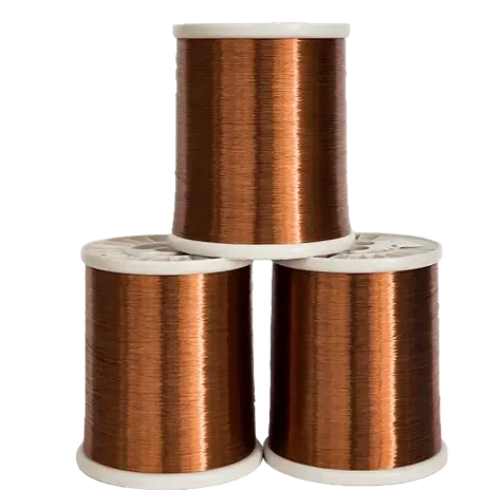
Enameled copper wire is a type of copper wire that is coated with a thin layer of enamel, which acts as an insulating material. This type of wire is commonly used in electrical and electronic applications, including windings in motors, transformers, and coils. The insulation provided by the enamel prevents short circuits while maintaining the excellent electrical conductivity of copper.
When you need to make electrical connections using enameled copper wire, the enamel coating must be stripped to expose the copper before the wire can be soldered. This process requires careful handling to ensure that you create a clean, conductive joint without damaging the wire or its insulation.
Soldering is a process that involves using a molten metal alloy (usually tin-lead or lead-free solder) to join two metal surfaces together. In the case of enameled copper wire, soldering helps create strong and reliable electrical connections, ensuring that your electrical circuits function properly. Proper soldering of enameled copper wire is crucial because any poor or weak connection can lead to overheating, shorts, or even device failure.
Before diving into the soldering process, it’s essential to understand the features and advantages of enameled copper wire.
Feature | Explanation |
High Conductivity | Copper is one of the best conductors of electricity, making enameled copper wire ideal for electrical applications. It ensures minimal energy loss in electrical circuits. |
Insulated Coating | The enamel coating acts as an insulator, preventing short circuits when the wire is wound into coils or used in motors and transformers. |
Durability | The enamel coating is resistant to mechanical wear and tear, as well as environmental factors like moisture and heat, which increases the wire's longevity in various applications. |
Flexibility | Enameled copper wire is flexible and can be easily coiled or shaped without breaking, which is ideal for intricate windings in transformers, motors, and other devices. |
Variety of Insulation | The wire comes with different insulation types (polyurethane, polyester, or polyester-imide) to match the specific temperature and electrical requirements of various applications. |
Enameled copper wire is commonly used in several industries, particularly in electrical and electronic devices, such as:
Motors and Generators – Used for windings in electric motors and generators, offering high efficiency and long-lasting performance.
Transformers – Essential for winding coils in transformers, where the wire’s insulation protects the electrical components.
Inductors and Coils – Commonly used for creating inductors and coils that regulate current flow in various electronic devices.
Automotive and Aerospace – Utilized in wiring systems for automotive and aerospace applications, where durability and heat resistance are critical.
Understanding these key features and applications of enameled copper wire helps in selecting the right wire for your project and ensures you use the correct soldering techniques.
Before you begin soldering, gather the necessary tools and materials. Here's a list of everything you'll need to get started.
Tool | Purpose |
Soldering Iron | The primary tool for applying heat to the wire. Choose a soldering iron with a fine tip and adjustable temperature control for precise application. |
Wire Strippers | Used to remove the enamel coating from the wire. A dedicated wire stripper designed for enameled copper wire is essential to avoid damaging the copper itself. |
Soldering Wire | The material that melts and bonds the wire. Use lead-free or traditional tin-lead solder, depending on the application and environmental considerations. |
Flux | A chemical agent that helps the solder flow smoothly and improves the bond between the wire and the solder. Flux also helps prevent oxidation during the soldering process. |
Tweezers | Used to hold the wire in place while soldering, especially for delicate or small wires. |
Soldering Stand | Holds the soldering iron in a safe, secure position while not in use. It also prevents damage to the iron’s tip. |
Safety Equipment | Protective gloves and goggles are essential for safety while soldering to avoid burns and exposure to harmful fumes. |
Enameled Copper Wire – The main subject of this article. Ensure it is the correct gauge and type for your project.
Soldering Flux – Helps to remove oxidation from the copper and improves the flow of solder.
Solder – Choose the right type of solder, either lead-free or tin-lead alloy, depending on your application and preference.
Follow these steps carefully to solder enameled copper wire effectively and create strong, durable connections.
A clean and organized workspace is essential for effective soldering. Make sure you have a well-ventilated area, as soldering produces fumes. Organize your tools and materials to minimize distractions and ensure everything is easily accessible.
Place the wire stripper, soldering iron, and flux nearby.
Set up the soldering stand to keep your iron secure.
Wear safety gloves and goggles to protect yourself from potential accidents.
The first step in preparing the enameled copper wire for soldering is to strip off the enamel coating. This can be done using a wire stripper designed for this purpose.
Step | Action |
Select the Right Gauge | Choose a wire stripper that matches the wire gauge for precise stripping without damaging the copper. |
Strip the Enamel | Use the stripper to carefully remove the enamel coating from the end of the wire, exposing the copper. |
Clean the Copper | After stripping, clean the exposed copper with a wire brush or cloth to remove any residue or dirt. |
Flux is an essential part of the soldering process, especially when working with enameled copper wire. It helps improve solder adhesion and reduces oxidation.
Apply a small amount of flux to the exposed copper wire. This helps the solder flow smoothly and ensures a strong bond.
Use a brush or applicator to coat the stripped area of the wire with a thin layer of flux.
Once the wire is prepped with flux, it’s time to heat the soldering iron and apply solder.
Step | Action |
Set the Iron Temperature | Set your soldering iron to a temperature between 350-400°F (177-204°C) for optimal soldering. |
Apply the Solder | Touch the tip of the soldering iron to the wire and feed solder into the joint. Allow the solder to melt and bond. |
Ensure a Solid Connection | The solder should flow smoothly around the copper and the joint should be shiny, smooth, and well-bonded. |
After soldering, inspect the joint to ensure it is solid and properly connected.
Check for a smooth, shiny, and well-formed solder joint.
Clean any excess flux or solder from the joint using a damp sponge or brush. This will ensure a clean and safe connection.
Here are some helpful tips to ensure successful soldering of enameled copper wire:
Proper Preparation – Always make sure the wire is clean and the enamel is completely removed from the contact area before soldering.
Use the Right Soldering Iron – Select an iron with the right temperature control. Too high a temperature can damage the wire, while too low may not melt the solder properly.
Avoid Overheating the Wire – Prolonged exposure to heat can damage the wire and its insulation. Solder quickly and efficiently.
Use Flux Properly – Flux is essential for ensuring a smooth, durable solder joint. Don’t skip this step!
Safety First – Always wear protective gloves and goggles to protect yourself from burns and soldering fumes.
Soldering enameled copper wire is an essential skill for working with electrical components. By following the steps outlined in this guide, from properly preparing your workspace to correctly applying solder, you can ensure strong, reliable, and safe connections. It’s important to use the right tools and follow proper techniques to achieve the best results. Additionally, always prioritize safety by wearing protective gear and working in a well-ventilated area.
For those seeking high-quality enameled copper wire and related products, we recommend exploring the offerings from Huzhou Fuda Electric Innovation Co., Ltd. As experts in the field, they provide a wide range of premium enameled copper wires suitable for various electrical and industrial applications. Their team can offer expert advice and tailored solutions for your soldering and wiring needs. If you're looking for reliable products to ensure the success of your projects, don’t hesitate to get in touch with them for more information or to discuss your specific requirements.
No, it’s crucial to strip the enamel coating to expose the copper before soldering. The enamel acts as an insulator and prevents solder from adhering to the copper.
Set your soldering iron between 350-400°F (177-204°C) to effectively solder enameled copper wire without damaging it.
Flux helps the solder to flow smoothly, improves the bond between the wire and solder, and prevents oxidation of the copper.
Regular copper wire doesn’t have the insulating enamel coating and may cause short circuits in some applications, making enameled copper wire a better choice for many electrical projects.
Control the temperature of the soldering iron and minimize contact with the wire to avoid excessive heat exposure. Solder quickly for best results.
