
Please Choose Your Language
- All
- Product Name
- Product Keyword
- Product Model
- Product Summary
- Product Description
- Multi Field Search

Views: 0 Author: Site Editor Publish Time: 2026-06-02 Origin: Site


Choosing wire is not only about metal. A cheaper wire can cost more later. A stronger wire can also be overbuilt. For many electrical projects, the real question is simple: which enameled wire fits your load, space, heat, and cost goals?
In this article, we compare copper and aluminum. You will learn how each one performs in motors, transformers, coils, and winding systems.
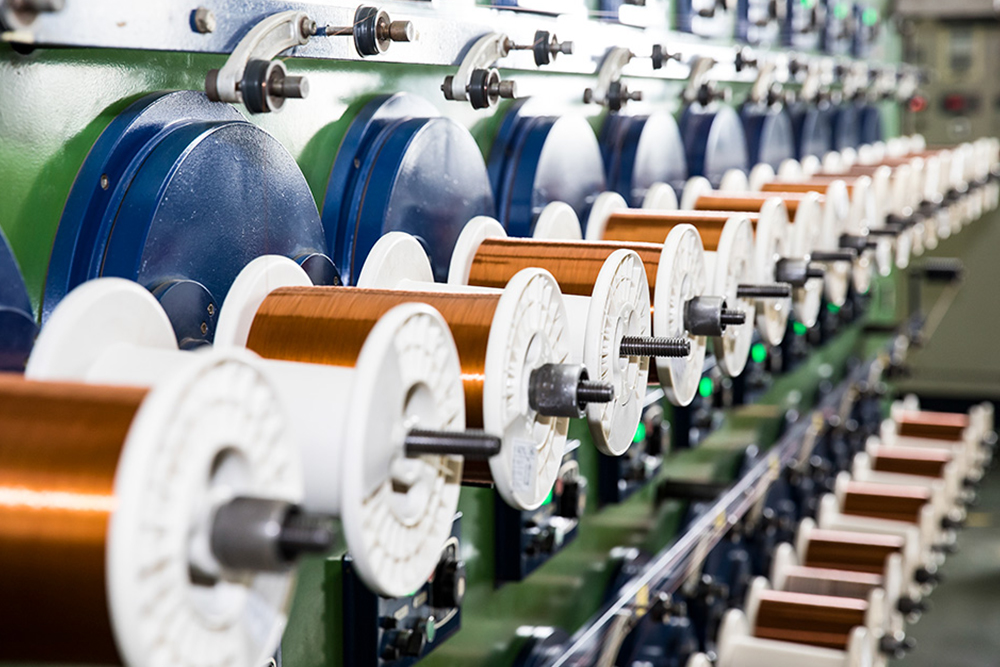
● Copper enameled wire is often the better choice when conductivity, compact winding, and stable current flow matter most.
● Aluminum enameled wire is useful when weight reduction, easier handling, and cost control are important.
● The best choice depends on current load, winding space, heat class, insulation type, operating environment, and product life.
● Both materials need reliable enamel insulation. The coating helps resist moisture, abrasion, electrical stress, and winding damage.
● Copper can support efficient current flow in motors, transformers, and coils where space is limited.
● Aluminum can work well in electrical applications when the design allows proper conductor sizing.
● Wire price should not be the only decision factor. Energy loss, redesign needs, failure risk, and service life also matter.
● For demanding applications, buyers should review insulation class, diameter tolerance, flexibility, and product consistency before ordering.
The best enameled wire is the one that fits the electrical job. Copper and aluminum can both be used in motors, transformers, coils, and winding systems. Yet they do not solve the same problem in the same way.
Copper is often selected when the design needs strong conductivity and stable current flow. It is helpful when equipment has limited winding space or needs better energy efficiency. In many compact motors, coils, and transformer designs, copper gives engineers more performance in a smaller area.
Aluminum is different. It is valued for its lightweight nature and practical handling. It can be a good choice when the project must reduce weight or control cost. In larger winding applications, this can matter a lot because wire weight affects production, transport, installation, and final equipment design.
The right choice starts with four questions. How much current must the wire carry? How much winding space is available? What temperature will it face? What cost target must the project meet? Once these answers are clear, the choice becomes much easier.
Tip:Choose copper when electrical efficiency drives the design, and choose aluminum when weight and cost carry more value.
Conductivity affects how well current moves through the wire. It also affects energy loss and heat rise. In motors, transformers, and coils, these factors are not small details. They shape the final performance of the whole device.
Copper enameled wire is made from high-quality copper and supports efficient current flow. This makes it suitable for applications where power transfer must stay stable. It is often useful in motors, transformers, and coils that need reliable output and long operating life.
Aluminum enameled wire also provides conductivity and insulation for electrical applications. It works best when the winding design considers aluminum’s material behavior. The conductor size, winding layout, and expected load should be reviewed before replacing copper with aluminum.
In simple terms, copper often gives better performance in tight spaces. Aluminum can still be practical when the design has enough space and the system accepts a different conductor size. A good engineer does not ask which metal is best alone. They ask which metal best fits the full design.
Weight can change a project. In large transformers, motors, and winding assemblies, a lighter conductor can reduce handling pressure and improve installation convenience. This is where aluminum enameled wire has a clear advantage.
Aluminum combines lower weight with enamel insulation. It is easier to handle in some winding and installation tasks. For projects where weight matters, this can support better production flow and simpler assembly.
Copper has another advantage. It can support compact winding designs because of its electrical performance. When the product is small or space is tight, copper can help maintain current flow without making the winding structure too large.
The space question is important. Aluminum may require design adjustment in some applications. Copper may cost more, but it can reduce winding size in demanding equipment. So the better wire depends on whether the application is limited by weight, cost, or space.
Selection Factor | Copper Enameled Wire | Aluminum Enameled Wire |
Conductivity priority | Strong choice | Good when properly sized |
Weight reduction | Less ideal | Strong choice |
Compact winding | Strong choice | Needs more design review |
Cost control | Higher material cost | Often more economical |
Handling | Flexible and precise | Lightweight and easy to handle |
Common use | Motors, transformers, coils | Motors, transformers, windings |
Best fit | High-efficiency designs | Lightweight, cost-sensitive designs |
Note:Do not switch materials without checking winding space, resistance, heat rise, and insulation requirements.
The conductor material is important, but the enamel coating is just as important. Enameled wire works because the thin insulation layer protects the conductor. It helps reduce electrical failure, moisture damage, abrasion, and winding stress.
Copper and aluminum wires can use different enamel systems. These may include polyester, polyurethane, polyesterimide, polyamide-imide, or polyimide-based insulation. Each system supports a different balance of heat resistance, mechanical strength, solderability, and durability.
For normal electrical use, a standard thermal class may be enough. For high-temperature motors, transformers, and industrial components, a higher heat class may be needed. Product listings from the supplier include options such as 130, 155, 180, 200, and 220 class wires. This range gives buyers room to match wire type to real operating conditions.
Moisture and abrasion resistance also matter. The copper product description highlights insulation that resists moisture and abrasion for longer service life. The aluminum product description also notes resistance to moisture and environmental effects. These qualities are useful when the wire must perform in demanding conditions.
Tip:Always match insulation class to operating temperature, not only to the conductor material.
Motors need stable current flow, durable insulation, and good winding quality. They also face heat, vibration, and repeated operating stress. This makes material choice very important.
Copper enameled wire is often a strong option for motors that need efficient output and compact design. It helps support current flow and reduces performance loss in space-limited windings. When motor size is small but output needs are high, copper can be a practical choice.
Aluminum enameled wire can also be used in motor applications. It is more attractive when weight and cost matter. The design must still confirm that current capacity, heat rise, and winding volume are acceptable.
For motor buyers, the best decision is not based on copper or aluminum alone. It should include conductor size, enamel type, heat class, winding method, and expected duty cycle. A motor used for light work has different needs than one used in continuous industrial operation.
Transformers need insulation strength, electrical stability, and controlled heat rise. They may also use large winding volumes. This makes both copper and aluminum useful, depending on the design.
Copper enameled wire is suitable when the transformer needs high efficiency and compact winding. It supports current flow and can help reduce electrical loss in demanding designs. For smaller or performance-focused transformers, copper often makes sense.
Aluminum enameled wire is useful when transformer weight and cost are major concerns. Its lightweight property can make it attractive in larger designs. It may also help reduce handling difficulty during production and installation.
The final choice should follow the transformer’s power rating, winding space, cooling design, and insulation requirement. A low-cost wire is not helpful if it increases heat, reduces service life, or forces an unsuitable winding layout.
Coils need precision. The wire must wind smoothly, hold its insulation, and keep stable electrical behavior. This is true for electromagnetic coils, relays, inductors, small transformers, and other electronic parts.
Copper enameled wire is often useful for coils that need precise winding and efficient current flow. The copper product description highlights flexibility and easy use for precise winding and connections. This makes it practical for applications where consistent shape and reliable contact matter.
Aluminum enameled wire can also serve winding applications. It is flexible, easy to handle, and suitable for motor, transformer, and winding use. It can be a good choice when the design is not extremely space-limited and weight reduction is valuable.
For small coils, copper may be easier to justify because performance and space usually matter more. For larger windings, aluminum may be more attractive because cost and weight become stronger factors.
Note:For precision coils, check enamel adhesion and flexibility before confirming bulk production.
Good enameled wire should not only look smooth. It should perform consistently during winding, assembly, testing, and service. Buyers should review several reliability factors before placing an order.
First, check conductor diameter and tolerance. Small changes in wire size can affect resistance, winding density, and final output. This is especially important in motors, transformers, and precision coils.
Second, check enamel insulation quality. The coating should resist moisture, abrasion, and electrical stress. A weak coating can cause short circuits, insulation breakdown, and early product failure.
Third, review flexibility and handling. Both copper and aluminum products from the supplier describe ease of use or handling. This matters because winding often bends the wire many times. Poor flexibility can damage the enamel layer.
Fourth, match the wire to the environment. Some equipment works in dry indoor conditions. Other equipment faces humidity, heat, vibration, or long operating hours. A wire used in a demanding environment needs stronger insulation and a suitable thermal class.
Cost matters, but wire price alone can mislead buyers. A lower-cost wire may require a larger size, more winding space, or more design changes. A higher-cost wire may reduce energy loss and support compact equipment.
Copper enameled wire usually fits projects where performance has higher value than material savings. It is a strong match for efficient motors, compact transformers, and precise coils.
Aluminum enameled wire fits projects where weight and cost are important. It can be a practical choice for larger windings and applications where the design accepts proper sizing.
A useful buying method is to compare total cost. This includes material cost, winding process, energy use, temperature control, product life, and failure risk. If aluminum reduces cost but forces major redesign, the saving may shrink. If copper improves efficiency but exceeds the project budget, it may not fit the market.
Before choosing copper or aluminum, review the full application. Start with electrical needs. Define current load, voltage level, resistance target, energy loss limit, and operating cycle.
Then review mechanical needs. Check winding space, wire flexibility, product weight, bending stress, and installation method. A wire that performs well on paper must still work during production.
Next, check thermal and environmental needs. Confirm operating temperature, peak heat exposure, humidity, vibration, and moisture risk. The enamel system must protect the wire under real conditions.
Finally, review commercial needs. Consider cost target, order volume, lead time, testing documents, and long-term supply stability. The best enameled wire is not only technically correct. It must also support stable production.
Copper and aluminum both have clear value. Copper is usually the better choice for compact, high-efficiency, current-sensitive applications. Aluminum is often better for weight reduction, cost control, and larger winding designs that allow proper sizing.
The enamel layer connects both options. It protects the conductor and helps the wire survive moisture, abrasion, heat, and winding stress. This means buyers should compare insulation class, coating type, and reliability, not only metal type.
Application Need | Better Starting Choice | Reason |
Compact motor winding | Copper | Strong current flow in limited space |
Weight-sensitive transformer | Aluminum | Lower wire weight helps design goals |
Precision coil | Copper | Good for stable winding and connections |
Cost-sensitive winding project | Aluminum | Practical when design allows sizing |
High-temperature application | Depends on insulation class | Coating type may decide performance |
Moist or abrasive conditions | Depends on enamel quality | Insulation durability is critical |
Choosing copper or aluminum depends on your load, space, heat, and cost needs. Copper supports efficient current flow and precise winding, while aluminum offers lightweight handling and practical value. FUDA provides enameled wire options for motors, transformers, coils, and winding applications, helping users match product performance to real electrical demands.
A: Enameled wire is used in motors, transformers, coils, and winding systems.
A: Copper is better for compact, high-conductivity electrical designs.
A: Aluminum enameled wire helps reduce weight and control cost.
A: Yes. Insulation protects against heat, moisture, abrasion, and electrical stress.
A: Aluminum often costs less, but total design cost still matters.
A: Yes, if sizing, heat rise, and winding space are reviewed.


