
Please Choose Your Language
- All
- Product Name
- Product Keyword
- Product Model
- Product Summary
- Product Description
- Multi Field Search

Views: 0 Author: Site Editor Publish Time: 2025-12-23 Origin: Site


In the world of electrical manufacturing, enameled winding wire (magnet wire) is the lifeblood of production. Whether you are winding motors, transformers, or voice coils, the quality of the wire directly dictates the performance of the final product.
However, many manufacturers overlook a critical aspect of wire management: Storage.
Unlike raw metal bars, magnet wire is a composite material—a metal conductor (copper or aluminum) coated with a chemical polymer (enamel). It is not immortal. Improper storage can lead to insulation brittleness, conductor oxidation, and catastrophic failure during winding.
This comprehensive guide explores the shelf life of aluminum magnet wire and copper wire, the science behind their aging, and actionable tips to maximize their longevity in your warehouse.
The first question procurement managers often ask is: "Does this wire have an expiration date?"
The short answer is yes, but it depends heavily on the material and storage conditions.
Generally, wire manufacturers provide the following warranties under ideal conditions:
Enameled Copper Wire: Typically 12 to 18 months.
Enameled Aluminum Wire: Typically 6 to 12 months.
Why is aluminum magnet wire generally cited with a shorter shelf life than copper? It is not necessarily because the insulation fails faster, but because the aluminum conductor is more sensitive to environmental factors if the ends are not sealed properly. Aluminum oxidizes instantly upon exposure to air, forming a hard oxide layer that can interfere with connections if not managed correctly.
However, with strict climate control, many factories successfully use wire that has been stored for 2 to 3 years without issue. The "shelf life" is often just the period during which the manufacturer guarantees the wire properties won't drift outside of strict specifications.
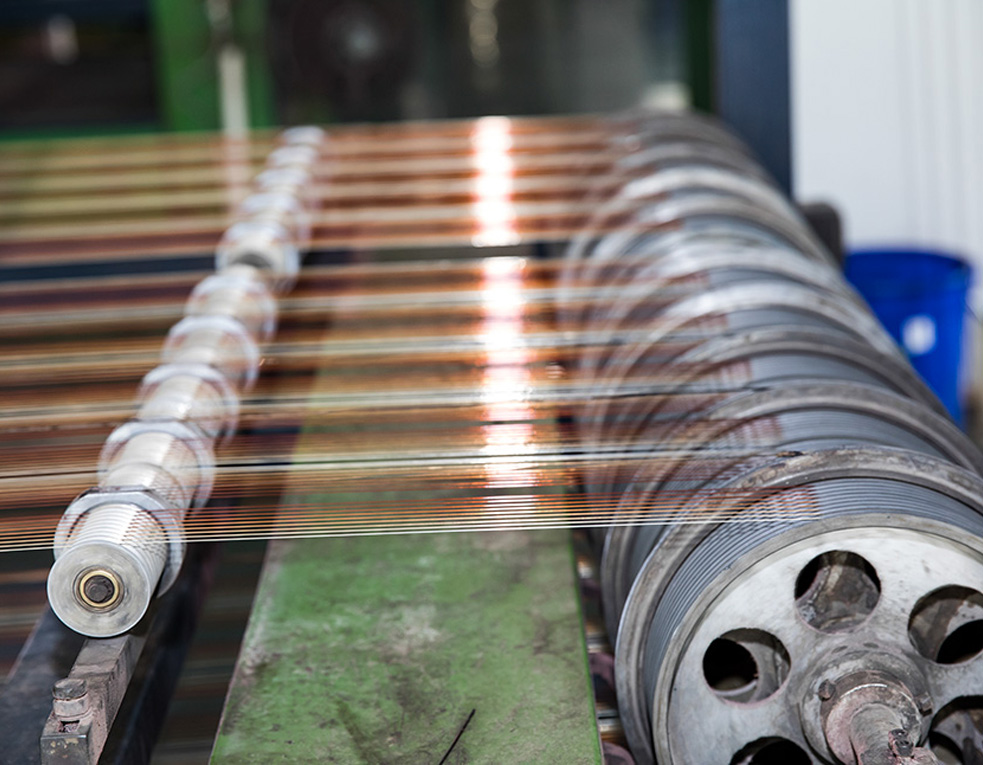
To understand how to store wire, you must understand what kills it. There are three primary enemies: Moisture, Temperature, and UV Light.
This is the #1 killer of enameled aluminum wire.
Most enamel coatings (Polyurethane, Polyester, Polyamide-imide) are polymers. When exposed to high humidity for extended periods, these polymers can undergo hydrolysis—a chemical reaction where water molecules break the polymer chains.
The Result: The insulation becomes "crazed" (micro-cracked) or brittle. When you try to wind it, the enamel flakes off, causing short circuits.
The Aluminum Factor: If moisture penetrates the spool to the conductor, aluminum can corrode (white rust), creating weak points that snap under tension.
Storing wire in a warehouse that freezes in winter and boils in summer is dangerous.
Thermal Expansion: Copper and Aluminum expand and contract with temperature changes. The enamel coating also expands, but at a different rate. Constant cycling creates internal stress between the metal and the insulation.
Stress Cracking: Over time, this stress can cause the enamel to crack spontaneously, even while sitting on the shelf. This is particularly true for older enamel formulations.
UV Light: Direct sunlight can degrade the outer layer of the enamel, causing discoloration and surface chalking.
Dust: Metallic dust in a factory environment can settle on the wire. During high-speed winding, this dust gets pulled into the coil, acting like sandpaper that ruins the insulation or causes a short.
To maximize the lifespan of your enameled aluminum wire and copper inventory, follow these "Gold Standard" storage rules.
Ideal Temperature: Keep the warehouse between 15°C and 35°C (59°F - 95°F). Avoid freezing temperatures, which can make the enamel brittle before it warms up.
Ideal Humidity: Relative Humidity (RH) should be kept below 60-70%. If you are located in a tropical or coastal region, dehumidifiers are mandatory.
Do Not Stack Too High: While spools are robust, stacking pallets too high puts immense pressure on the bottom spools. This can deform the plastic flanges. If a flange bends, the wire near the edge can get trapped or scraped during payoff (unwinding).
Keep Upright: Always store spools vertically on their flanges, not on their sides (rolling position). Storing on the side can damage the outer layer of wire, rendering the entire spool useless.
This is a logistics rule that saves money. Always use the oldest stock first.
Labeling: Mark every pallet with its arrival date clearly.
Rotation: Do not push new shipments in front of old ones. If a pallet of aluminum magnet wire sits in the back corner for 3 years, it becomes a liability.
Enameled aluminum wire requires a gentler touch than copper during storage and handling because aluminum is softer and has lower tensile strength.
Unlike copper, aluminum forms a non-conductive oxide layer within minutes of exposure to air.
Tip: If you use a partial spool and return it to storage, seal the exposed wire end with tape or a dab of varnish. This prevents moisture from "wicking" up the insulation and corroding the conductor interface.
Dropping a spool of copper wire might dent the copper. Dropping a spool of enameled aluminum wire will likely stretch and deform the wire due to the impact inertia. This deformed section will have a smaller diameter and higher resistance, creating a "hot spot" in your motor.
Rule: Treat aluminum spools like glass. Use soft lifting pads if moving heavy spools with a forklift.
Before you load a spool that has been sitting for 12 months onto your high-speed winding machine, perform these quick checks. It saves you from manufacturing thousands of defective motors.
Look at the flange edges. Is there dust? Is there mold (white spots)?
Check the wire surface. Is it glossy? A dull or chalky surface indicates oxidation or UV damage.
Unspool a meter of wire. Scratch the insulation with your thumbnail (or a specialized testing tool for thicker wires).
Pass: The enamel stays firm.
Fail: The enamel peels off like dry skin. This wire has suffered hydrolysis and should be scrapped.
Take a sample and stretch it.
Why: Aging often reduces ductility. If the aluminum magnet wire snaps immediately without stretching, it has become brittle (work-hardened or aged) and will likely break in your winding machine.
If you are using solderable wire, dip the tip in a solder pot.
Check: Does the enamel tin instantly? Aged wire sometimes has "cross-linked" enamel that refuses to melt, or the aluminum underneath has oxidized, preventing the solder from wetting.
This is a controversial topic. If you have 5 tons of enameled aluminum wire that is 2 years old, do you throw it away?
Not necessarily.
Re-Testing: Send a sample to the lab for a full IEC/NEMA test (Breakdown Voltage and Pinholes). If it passes, it is technically safe to use.
Conditioning: Bring the wire into the production room 24 hours before use. Let it acclimate to the temperature. Cold wire in a humid room will attract condensation (sweating), which is disastrous for winding.
Downgrading: If the wire passes electrical tests but fails high-speed mechanical winding (too brittle), consider using it for low-speed winding applications or static coils where mechanical stress is lower.
However, the Golden Rule is: When in doubt, do not use it for critical high-voltage applications. The cost of a warranty claim for a failed transformer is far higher than the cost of a scrap wire spool.
The quality of enameled wire is not static; it changes with time and environment. By treating your inventory of aluminum magnet wire and copper wire as perishable goods—controlling the climate, handling with care, and rotating stock—you protect your investment and ensure your final products remain reliable.
Remember: Good storage is free insurance.

